When a roof leaks, the first assumption is usually that a tile is broken or the membrane has failed. But a disproportionate share of roof leaks originate at flashings — the metal strips that seal junctions between the roof surface and walls, penetrations, and changes of plane. A roof can be perfectly installed and still leak persistently through a failed flashing.
Understanding what flashings do, where they are, and how they fail helps you identify where a leak is actually coming from — and know what to ask a contractor to look at when roof repairs are needed.
What Metal Roof Flashings Do
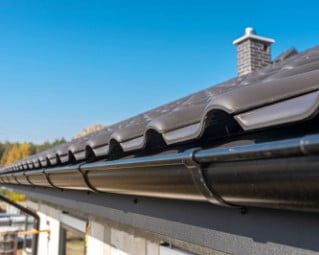
Roof flashings are purpose-formed metal pieces installed at transitions, penetrations, and terminations where the roofing material alone cannot provide a continuous weatherproof seal. Their job is to create a water-shedding barrier at these vulnerable junctions — directing water away from the building structure and toward the gutter system.
Without correctly installed flashings, water penetrates at every roof-to-wall junction, around every pipe and skylight, and at every valley — regardless of how well the main roofing material performs. Flashings are the first line of defence at the most vulnerable points of any roofing system.
Types of Flashings and Where They're Used
-
Drip edge flashing
Roof edges and eaves
Directs water from the roof edge into the gutter rather than allowing it to run back under the roofing material. Critical for preventing fascia rot and water ingress at the eave.
-
Valley flashing
Internal valleys where two roof planes meet
Channels the concentrated water flow at valleys — the highest-flow point on any pitched roof — safely to the gutters. Valley iron is one of the highest-wear items on a tiled roof and is routinely replaced during restoration.
-
Step flashing
Along walls adjacent to sloping roof surfaces
Interlocks with each course of tiles or metal panels at a wall junction, directing water out onto the roof surface rather than behind it. Each step piece must correctly overlap the one below.
-
Counter flashing
Over step flashing at masonry walls
Embedded or sealed into the wall above the step flashing, it covers the top edge of the step to prevent water running behind it. A common failure point where counter flashing comes loose from ageing wall sealant.
-
Chimney flashing
Around chimney bases
A system of base, step, saddle, and counter flashings that seals all four sides of the chimney penetration through the roof. Chimney flashing failures are extremely common on older Central Coast homes with original leadwork.
-
Vent pipe flashing
Around pipe penetrations
Rubber or metal boot flashings seal around plumbing vents, exhaust pipes, and similar penetrations. Rubber boots degrade and crack in UV over 10–15 years, creating leak points that are often misidentified as tile failure.
Common Flashing Failure Modes
- 1 Corrosion: Galvanised steel flashings oxidise over time. The zinc coating protects the steel substrate, but once it degrades — accelerated by coastal salt air — rust forms and the flashing develops holes and weak points. On the Central Coast, galvanised flashings have a materially shorter service life than Colorbond equivalents.
- 2 Sealant failure: Many flashing systems rely on sealant at overlaps and terminations. Silicone and butyl sealants degrade over 10–15 years in UV and thermal cycling, becoming brittle and pulling away from the joint. Once the sealant breaks, the flashing itself may still be intact but water penetrates the joint.
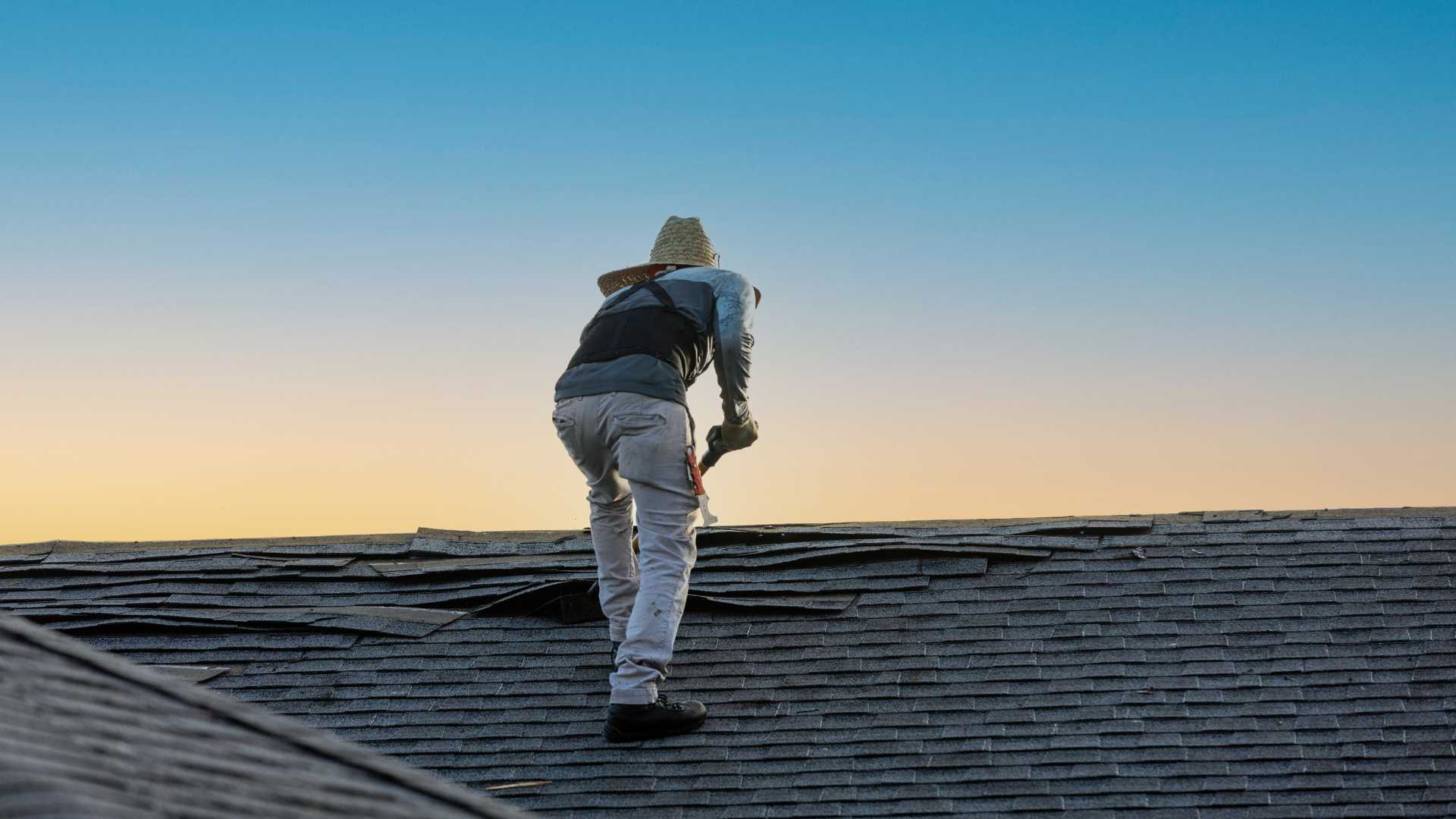
- 3 Storm displacement: High winds can lift and displace flashing that has lost its fastening integrity. Step and counter flashings are particularly vulnerable if original fixings have corroded. Post-storm leaks that weren't present before are often displacement events rather than roofing material failures.
- 4 Improper original installation: Flashings installed without correct lapping, without adequate seal at terminations, or without matching the thermal expansion characteristics of adjacent roofing material will fail progressively regardless of the material's inherent quality. This is a contractor skill issue.
Colorbond vs. Galvanised Steel Flashings
Coastal Recommendation: Specify Colorbond
On the Central Coast, the salt air environment accelerates galvanised steel corrosion significantly compared to inland areas. Colorbond flashings — the same baked-on paint and substrate technology used in Colorbond roofing — provide substantially better corrosion resistance and a longer service life without the rust risk. When replacing flashings or installing a new roofing system, specifying Colorbond flashings rather than galvanised is the correct choice for this environment.
For metal roofing systems specifically, flashing material should match the roofing material to avoid galvanic corrosion where dissimilar metals contact each other in a moist environment. For the full picture on metal roofing systems and how flashings integrate with metal roofing and sarking, see the relevant guides.
When to Inspect Flashings
- After any significant storm — high winds and debris can displace or damage flashings without visible tile damage
- If you notice water stains on ceilings or walls that don't follow an obvious tile-damage pattern
- As part of any routine roof inspection — flashings should be checked at the same time as the tile surface and gutters
- Before any re-roofing or restoration — old flashings are routinely replaced as part of a quality restoration scope
- If your roof is over 15 years old and flashings have never been replaced
For a broader perspective on what makes metal roofing systems work — including how flashings integrate with panel profiles — read our comparison of Colorbond vs traditional roofing.
Flashing Inspection and Repair
Suspected Flashing Leak? We'll Find It and Fix It.
We inspect all flashings as part of any roof assessment and can replace individual flashings or the complete system. Written quote, licensed work, 10-year warranty.
Tags
Central Coast Roofing
Licensed roofing contractors serving Gosford, Wyong, Terrigal and all of the Central Coast NSW. Over a decade of residential and commercial roofing experience.