When it's time to replace a roof, most Central Coast homeowners face the same fundamental choice: Colorbond steel or tiles. Both have genuine merits. The right answer depends on your home, your suburb, your budget, and your priorities — and it's worth thinking through carefully before committing.
This guide provides an honest comparison across the dimensions that actually matter: durability, lifespan, cost, energy performance, fire resistance, and maintenance. We work with both materials daily and have no stake in your choosing one over the other — only in giving you an accurate picture.
Understanding Both Materials
Traditional roofing tiles — concrete, terracotta, clay, and slate — have been used in Australian homes for well over a century. Concrete and terracotta dominate the Central Coast market, with terracotta tiles particularly common in older homes built through the 1970s–1990s. They provide thermal mass, proven longevity, and a visual character that many homeowners want to preserve.
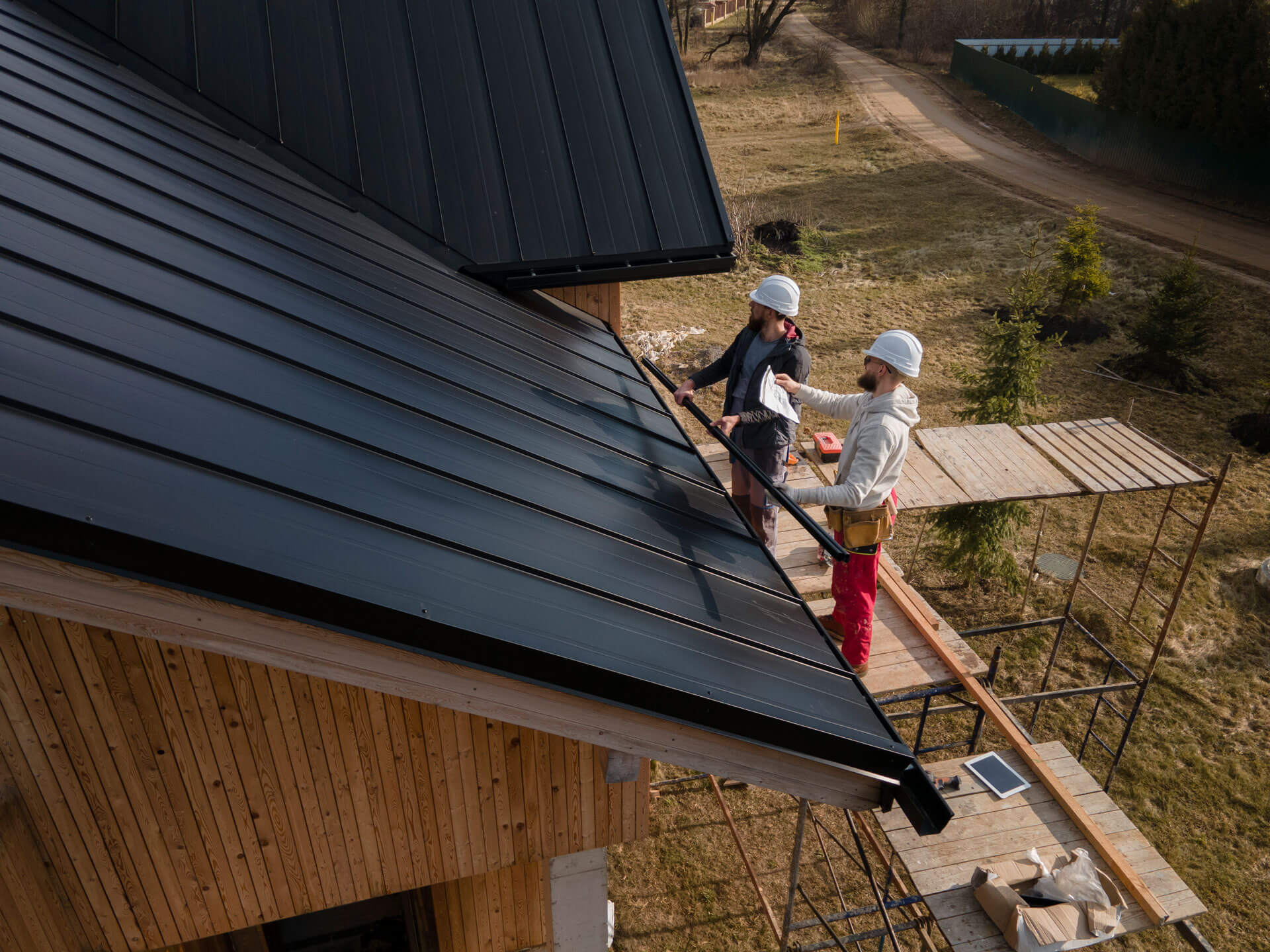
Colorbond steel is a purpose-engineered product — a high-strength steel core coated with a zinc-aluminium alloy for corrosion resistance, then a baked-on exterior paint system. It's Australia's most widely installed roofing product for new construction and has an established 40+ year performance record in the coastal environment specifically.
The Coastal Context
The Central Coast's coastal salt air is an accelerant for certain material failures. Colorbond is specifically formulated for coastal environments — BlueScope's ACTIVATE® technology treats the steel substrate for enhanced coastal durability. Traditional tile grouting, mortar, and metal flashings in coastal environments require more frequent maintenance and replacement to maintain performance.
Structural Differences
Tiles sit on a batten-and-rafter system, relying on gravity, their interlocking profile, and mortar at ridge lines to stay in place. They're heavy — concrete tiles typically weigh 40–50 kg/m², terracotta slightly more. The roof structure must be engineered to carry this load, which is a consideration when converting from tiles to metal (load reduction) or when adding tile weight to an existing structure.
Colorbond panels are secured mechanically to battens with screws or clips. At 4–7 kg/m², the load on the roof structure is dramatically lower. This lighter load reduces structural requirements and makes Colorbond suitable for a wider range of existing structures.
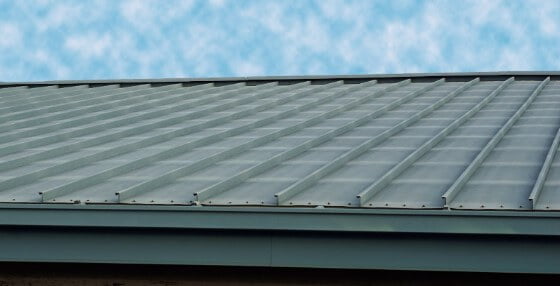
Colorbond panels come in several profiles suited to different applications and aesthetic requirements: corrugated (traditional and versatile), CUSTOM ORB® (deeper profile, greater structural span), Trimdek® (flat face, modern aesthetic for both cladding and roofing), and Spandek® (deep spanning capability for large spans in commercial contexts).
Durability and Weather Resistance
Colorbond holds a clear advantage in active weather resilience. Steel roofing does not crack, chip, or dislodge under hail or wind loads that regularly break or shift tiles. Under the storm conditions that characterise the Central Coast's summer season — convective cells, coastal lows — Colorbond retains its integrity where tiles can suffer loss events.
Tiles offer excellent static durability in moderate conditions. Well-maintained concrete tiles last 30–50 years; terracotta can exceed 100 years in the right conditions. The vulnerability is the system, not the tiles themselves — mortar pointing, valley iron, and flashing all require periodic maintenance and will fail before the tiles do.
In practical terms for the Central Coast: Colorbond requires less ongoing maintenance and performs better in severe weather. Tiles can last longer — if the system maintenance is kept up.
Lifespan Comparison
| Material | Typical Lifespan | Maintenance Level | Coastal Suitability |
|---|---|---|---|
| Colorbond Steel | 40–70 years | Very low | Excellent |
| Concrete Tiles | 30–50 years | Moderate | Good with maintenance |
| Terracotta Tiles | 50–100+ years | Moderate–High | Good with maintenance |
| Slate | 75–150+ years | Low (tile), High (system) | Good |
Cost and Energy Efficiency
On material cost alone, Colorbond ($50–$70/m²) and concrete tiles ($40–$60/m²) are comparable. When installation is factored in, Colorbond is typically faster to install — panels are pre-cut to length, and the installation process is more systematic than tile laying. This reduces labour hours and therefore total cost on most jobs.
On energy performance, Colorbond's thermal reflectance — particularly in lighter colours from the Colorbond Coolmax® range — delivers measurable reductions in ceiling cavity temperature and air conditioning load during the Central Coast's summer months. Paired with correctly installed reflective sarking, a Colorbond roof can reduce summer cooling costs noticeably compared to a dark-tiled alternative.
For a detailed breakdown of what replacement costs across materials, see our guide to roof replacement costs on the Central Coast.
Fire Resistance
Steel is non-combustible. Colorbond roofing provides the highest level of fire resistance available for roofing materials — it will not ignite from ember attack, does not contribute fuel to a fire, and maintains structural integrity under flame exposure that would cause tile systems to fail.
For homeowners in areas near bushland on the Central Coast fringe — Brisbane Water National Park, areas approaching the Watagan Mountains — this is a meaningful consideration. Colorbond's performance under Bushfire Attack Level (BAL) ratings provides genuine protection that tiles do not match at equivalent cost.
Read our full guide on fire-resistant roofing materials for the complete fire performance comparison.
Which Is Right for Your Home?
-
Choose Colorbond if:
- You want the lowest ongoing maintenance requirement
- Your home is in or near a bushfire-prone area
- You're replacing an existing metal roof or converting from heavy tiles
- You want a modern, contemporary aesthetic
- Energy efficiency and solar panel compatibility are priorities
-
Choose tiles if:
- Your home is a heritage or character property where tile appearance is architecturally appropriate
- You're doing a like-for-like restoration rather than full replacement
- Your existing tile structure is in good condition and a restoration rather than replacement makes sense
- Terracotta aesthetics are a specific requirement for your property or council zone
Expert Advice
Not Sure Which Material Is Right for Your Home?
We'll inspect your existing roof, walk you through the options that suit your home and budget, and provide a written comparison quote. No sales pressure — just straight advice.
Tags
Central Coast Roofing
Licensed roofing contractors serving Gosford, Wyong, Terrigal and all of the Central Coast NSW. Over a decade of residential and commercial roofing experience.