A roof restoration is one of the larger decisions a homeowner makes — and increasingly, people on the Central Coast want to make that decision count environmentally as well as financially. The good news is that the most durable, lowest-maintenance roofing options also tend to be the most sustainable ones.
This guide covers the practical eco-friendly options available for roof restoration on the Central Coast — what they actually deliver, and which are worth considering for your specific roof type and budget.
Why Sustainable Roofing Matters on the Central Coast
The Central Coast runs warm for most of the year. Roofs absorb significant solar heat through summer and coastal UV exposure accelerates material degradation year-round. This combination means your roof choice directly affects your cooling costs — often by more than homeowners expect.
Beyond energy bills, roofing materials generate substantial waste at end-of-life. Choosing materials with long lifespans, recycled content, or recyclability at replacement keeps that waste out of landfill. And because roofing products like coatings, sealants, and membranes contain chemical compounds, choosing low-VOC options matters for both indoor air quality and stormwater runoff.
The Central Coast Eco Opportunity
Unlike colder climates where roof insulation is the primary concern, Central Coast homes benefit most from heat reflection — choosing coatings and materials that reject solar heat rather than absorb it. The right choice here saves more in air conditioning costs than most other home upgrades.
Cool Roofing: Reflect Heat, Reduce Cooling Costs
Cool roofing refers to any roofing system specifically designed to reflect more sunlight and absorb less heat than standard materials. It covers both reflective coatings applied to existing roofs and inherently reflective roofing materials.
For existing tile roofs, a reflective or light-coloured roof coating is the most practical cool roofing upgrade during restoration. Light-coloured acrylic coatings reflect significantly more solar radiation than dark or weathered tiles, reducing roof surface temperatures by up to 20–30°C on hot days. This directly reduces heat transfer into the ceiling cavity and cuts air conditioning load.
White and near-white coatings offer the highest reflectivity, but mid-tone colours with reflective pigments now offer reasonable performance with better aesthetic flexibility. Ask your contractor for Solar Reflectance Index (SRI) values when selecting a coating product.
Recycled Roofing Materials
Several roofing products now incorporate recycled content without compromising performance:
-
Steel roofing (Colorbond)
Australian Colorbond steel contains recycled steel content and is itself fully recyclable at end of life. With a lifespan of 40–70 years and minimal maintenance, its lifecycle environmental footprint compares favourably with most alternatives.
-
Recycled rubber and plastic composite tiles
Manufactured from reclaimed tyres or post-consumer plastics. Available for some residential applications, though less common in Australia than in North America. Lifespans often exceed 50 years and the material keeps waste out of landfill.
-
Recycled content roof coatings
Some elastomeric and acrylic coatings are formulated with recycled content and low-VOC compounds. Look for products with relevant environmental certifications and ask your contractor about specific product environmental data sheets.
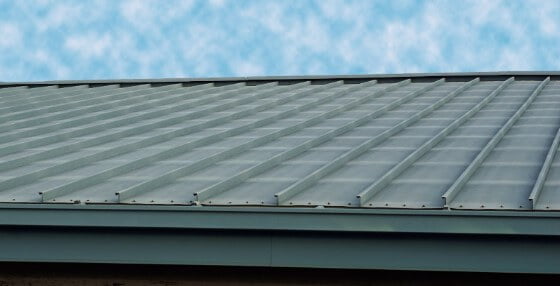
Standing Seam Metal Roofing: The Durable Eco Option
Metal roofing — particularly Colorbond steel — is the most genuinely sustainable full-replacement roofing option available to Australian homeowners. It combines longevity, recyclability, and heat reflectance in a way that other materials don't match simultaneously.
| Material | Lifespan | Recyclable | Heat Performance |
|---|---|---|---|
| Colorbond Steel | 40–70 years | Yes — 100% | High reflectance |
| Concrete Tiles | 30–50 years | Limited | Moderate |
| Terracotta Tiles | 50–100+ years | Limited | Good insulation |
| Coated Existing Tiles | 10–15 years (coating) | N/A | Depends on colour |
Solar Integration: Planning Your Roof for Panels
If you're considering solar panels now or in the future, your roof restoration is the optimal time to plan for them. Installing solar on a roof that then needs restoration within five years means removing and reinstalling panels — adding cost and complexity.
The practical steps: assess your roof's condition thoroughly before committing to either solar installation or restoration. If the roof needs work within 5–10 years, do the restoration first. If the structure is sound, a fresh restoration creates an ideal substrate and the coating protects the roof surface beneath panel mounting points.
Metal roofing systems — particularly standing seam profiles — offer the easiest solar mounting, as brackets can clamp directly to seams without penetrating the roof surface. This eliminates potential leak points entirely.
Clay and Terracotta: The Natural Longevity Option
Clay and terracotta tiles are made from an abundant natural material and require no synthetic coatings to perform well. Their thermal mass provides a degree of passive temperature regulation — absorbing heat slowly during the day and releasing it overnight — which suits the Central Coast's climate profile.
The sustainability argument for clay is primarily about longevity: a properly maintained terracotta roof can last 80–100+ years. Over that timeframe, it outlasts several generations of concrete tiles or multiple coating cycles, reducing total material throughput significantly. The downside is upfront cost and weight, which limits use to structurally capable roof frames.
What to Avoid
- Cheap coatings with high VOC content — they off-gas into your home and degrade faster, meaning more frequent reapplication
- Over-specifying for sustainability at the cost of durability — a coating that fails in 3 years isn't eco-friendly regardless of its ingredient list
- Ignoring sarking — adding reflective sarking beneath metal roofing significantly improves thermal performance without changing the roof surface at all
- Delaying restoration until the roof fails — restoring a roof in moderate condition uses fewer resources than replacing one that has deteriorated beyond repair
If you're ready to plan a restoration or want to understand whether your current roof is a candidate for an eco-friendly upgrade, read our guide on key signs your roof needs restoration first — then call us for a free assessment.
Free Quote
Talk to Us About Sustainable Roofing Options
We'll assess your current roof, explain the options that suit your home and budget, and provide a written quote with full product specifications. No pressure, no obligation.
Tags
Central Coast Roofing
Licensed roofing contractors serving Gosford, Wyong, Terrigal and all of the Central Coast NSW. Over a decade of residential and commercial roofing experience.