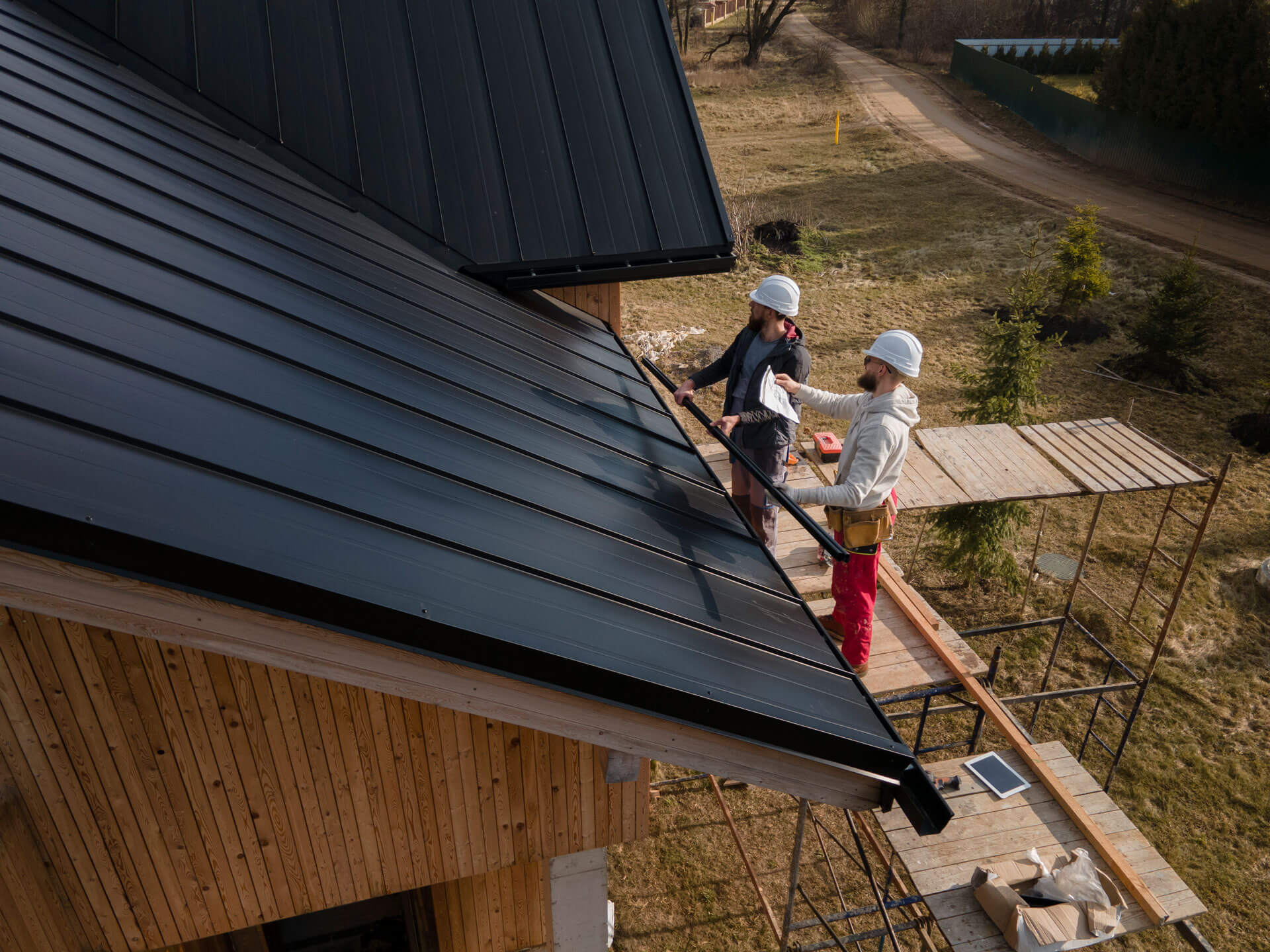
From the street, a roof looks straightforward. In practice, roofing is one of the more technically demanding trades — involving structural engineering, thermal physics, water management, and safety, all on a surface that's sloped, elevated, and exposed to the weather.
Understanding what makes roofing complex helps you evaluate contractor quality, ask better questions during a quote process, and recognise why the cheapest option is often the most expensive mistake. Whether you're planning a full roof replacement or a significant repair, this is the context that matters.
Material Knowledge and Specialised Skills
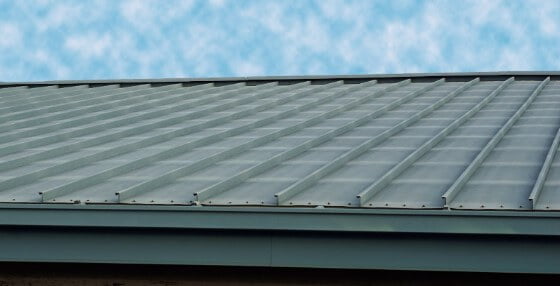
Different roofing materials are fundamentally different systems. A contractor who excels at Colorbond metal roofing has a different skill set from one who specialises in terracotta tile restoration — the fastening systems, waterproofing approaches, and failure modes are distinct.
This matters when selecting a contractor for a material type they may not regularly work with. A tiler quoting on a Colorbond replacement, or a metal roofer quoting on a tile restoration, should be able to demonstrate specific experience with that material — not just roofing in general.
Ask the Right Question
When getting quotes, ask specifically: "How many roofs with this material type have you installed in the last 12 months?" A contractor who does 30 Colorbond installations per year has a different capability than one who does three. Volume produces procedural precision.
The Precision Requirements of Roof Installation
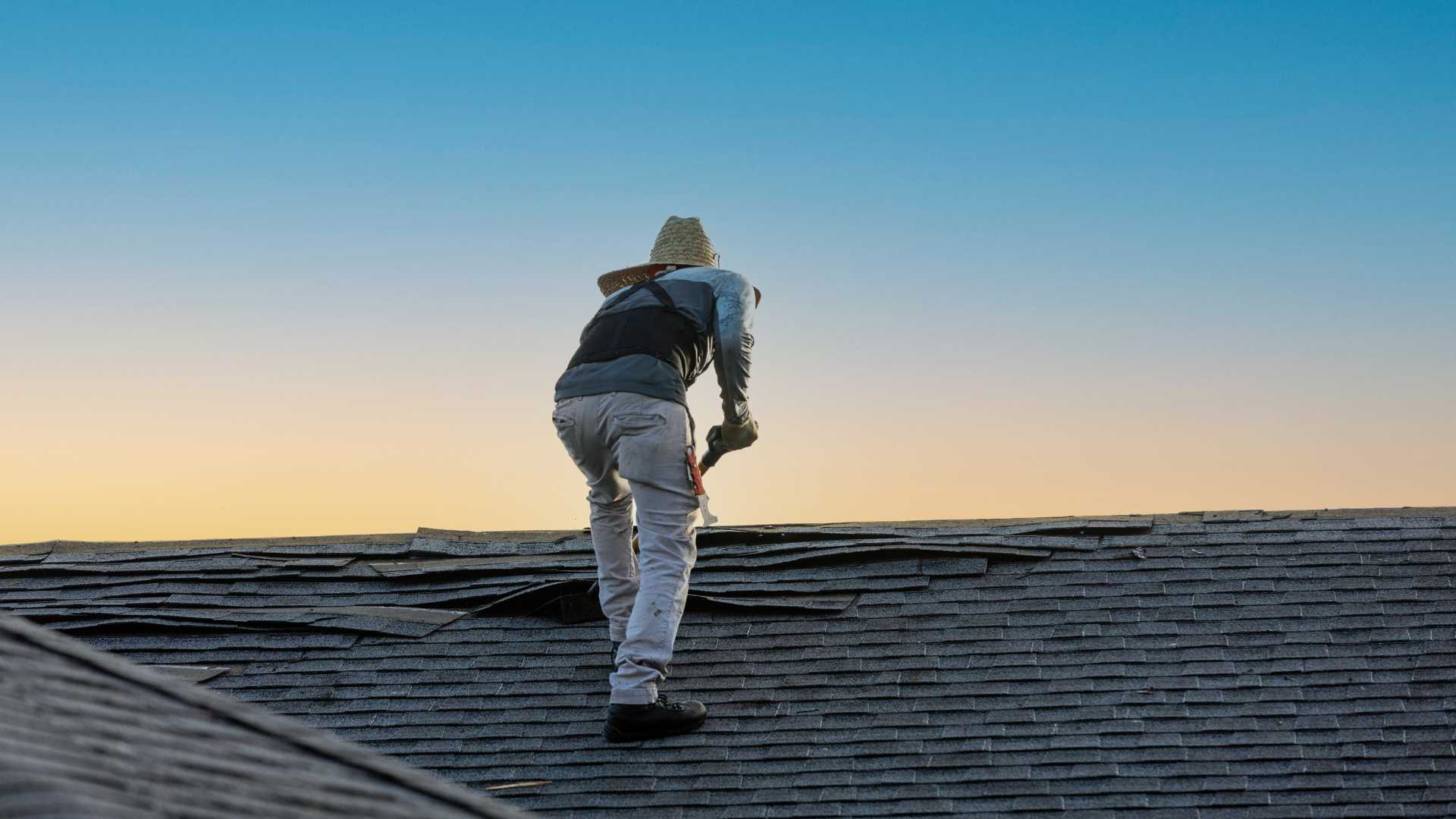
Roofing installation tolerates very little error. Tile rows must be perfectly aligned to maintain the overlapping water-shedding geometry. Metal panels must have consistent fastener spacing to manage both wind uplift loads and thermal expansion. Ridge and hip capping must be correctly bedded and pointed to seal the highest and most exposed junctions.
The compounding nature of precision errors is a specific risk. A tile course that's slightly off-level at row one multiplies across 30 rows. A flashing that's 5mm out of position at a wall junction accumulates water behind it with every rainfall. These errors aren't obvious during installation but manifest as leaks and failures over years.
Metal roofing adds the dimension of thermal expansion — panels expand and contract measurably with temperature change. Fasteners must be placed to allow movement without creating stress points that cause oil-canning (visible surface distortion) or fatigue cracking at screw holes over time.
Underlayment, Sarking, and Ventilation
The roofing material visible from the street is only part of the system. What happens beneath it — the underlayment, sarking, insulation, and ventilation — determines how the roof performs thermally and whether the structure remains dry.
-
Underlayment selection
Modern synthetic underlayments significantly outperform traditional felt in both durability and moisture management. The correct type depends on roof pitch, material, and climate zone — a flat-pitch roof needs different underlayment than a steeply pitched one.
-
Ventilation design
Roof cavity ventilation is often underspecified. Insufficient ventilation allows heat and moisture to accumulate — leading to structural timber degradation, insulation saturation, and significantly higher ceiling temperatures. On the Central Coast, where summer roof cavity temperatures can exceed 70°C without adequate ventilation, this directly affects both structure longevity and energy costs.
-
Sarking installation
Reflective foil sarking under metal roofing requires correct installation technique — proper sag, 150mm overlapping joins, sealed vertical laps — to perform as specified. Poorly installed sarking performs significantly below its rated thermal performance.
Structural Load — Especially on Material Changes
Every roofing material has a different weight per square metre. Terracotta tiles can weigh 40–50 kg/m²; Colorbond steel may weigh 4–7 kg/m². When homeowners replace tiles with metal roofing, the load reduction is substantial. When they go the other direction — or add a second tile layer over existing — the structural implications must be assessed.
A responsible contractor for any material change will verify the existing roof structure can handle the specified load before installation begins. This is non-negotiable if the change increases load. Overlooking it creates long-term structural risk.
Weather Management and Drainage Design
On the Central Coast, summer storm events can deliver 50–80mm of rainfall in a single hour. Roof drainage — gutters, valleys, downpipes — must be sized and positioned to handle peak flow without backing up. An undersized or blocked drainage system in these conditions causes water to back up under roofing material, regardless of how well it's installed.
Weather also affects installation windows. Many roofing products — adhesives, sealants, bedding compounds — cannot be applied in rain or at temperatures outside specified ranges. A contractor who ignores these constraints to meet a timeline is compromising the job. A professional schedules around them.
If you're planning a replacement and want to understand the material options and their real-world performance, read our guide to Colorbond vs traditional roofing materials, and check the roof replacement costs on the Central Coast to understand what to budget.
Experienced Local Roofers
Get a Written Quote From a Team That Does This Properly
We provide a full written scope — material specification, process, timeline, and warranty — before any work starts. No surprises, no shortcuts.
Tags
Central Coast Roofing
Licensed roofing contractors serving Gosford, Wyong, Terrigal and all of the Central Coast NSW. Over a decade of residential and commercial roofing experience.