
Your roof is one of the most critical components of your home — protecting your family from the elements year-round. On the Central Coast, where coastal humidity, UV exposure and storm season all take a toll, roofs deteriorate faster than many homeowners realise.
When signs of wear appear, you face a decision: restore or replace? In this guide, we break down the key warning signs that point to a modern roof restoration, walk through the cost-benefit analysis, and explain what a professional assessment involves — so you can make an informed call before a small problem becomes an expensive emergency.
Key Signs That Your Roof Needs Modern Restoration
The Age of Your Roof
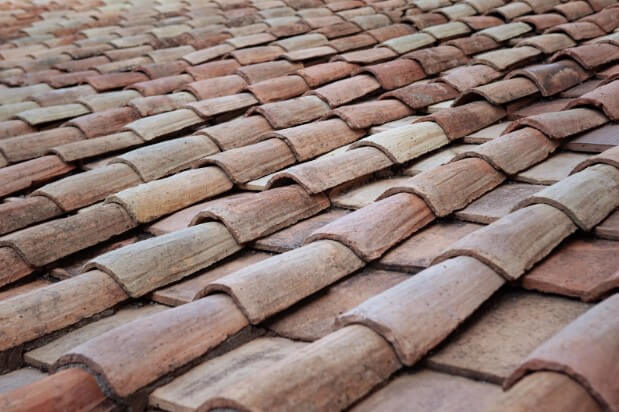
One of the clearest indicators is simply how old your roof is. Most tile roofs have a lifespan of 20–30 years, but their protective coatings and pointing compounds start degrading well before that. If your roof is 10–20 years old and hasn't been professionally restored, chances are the surface protection has failed and moisture is getting into places it shouldn't.
A roof that's 20–30 years old is nearing the end of its natural lifespan. At this point, restoration may still be viable — but you need a professional to assess whether the underlying structure is sound. Targeted repairs combined with a full restoration can reset the clock by another 10–15 years.
Assessing the Extent of Damage
Not all roof damage is visible from the ground. While broken tiles or sagging ridgeline are obvious, many problems only become apparent on closer inspection: failing pointing compound, cracked valley iron, deteriorated flashing around chimneys and skylights, or moss and lichen colonies eating into the tile surface.
The key distinction is whether the damage is localised or widespread. Isolated damage in one area is a candidate for targeted roof repairs. Deterioration across the entire surface — failed coating, widespread pointing failure, heavy biological growth — points to a full restoration being the more cost-effective path. Ignoring widespread damage accelerates deterioration and risks leaks, mould, and structural damage to your ceiling and walls.
Pro Tip
If your roof is showing two or more of these signs — age over 15 years, widespread moss growth, crumbling pointing, or visible tile surface erosion — a professional restoration is almost certainly more cost-effective than a series of patch repairs over the next few years.
Benefits of Modern Roof Restorations
Cost Comparison: Restoration vs. Replacement
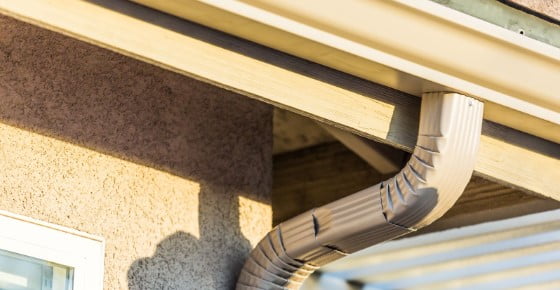
Cost is almost always the deciding factor — and restoration wins on price, usually by a significant margin. A full roof replacement involves stripping the old roof, disposing of materials, and installing entirely new tiles, battens and underlay. That's a major job with major costs.
| Option | Typical Cost Range | Lifespan Added |
|---|---|---|
| Roof Restoration | $3,500 – $8,000+ | 10–15 years |
| Roof Replacement | $12,000 – $25,000+ | 25–30 years |
| Patch Repairs Only | $500 – $2,000 per visit | Short-term only |
Indicative Central Coast NSW pricing. Actual costs depend on roof size, pitch, and condition. Get a free quote for your property.
The key question isn't just the upfront cost — it's the cost over time. Repeated patch repairs on an ageing roof often add up to more than a single restoration would have cost. And unlike patch jobs, a proper restoration comes with a warranty on both workmanship and coatings.
Energy Efficiency and Environmental Impact
Modern roof restoration coatings do more than just protect — they actively improve your home's thermal performance. High-quality modern membranes reflect more solar radiation than aged, weathered surfaces, keeping your home cooler in summer and reducing the load on your air conditioning.
On the Central Coast, where summer temperatures regularly push past 35°C, this matters. A thermally efficient roof can meaningfully reduce energy consumption. Restoration is also the more sustainable choice — you're extending the life of existing materials rather than sending tonnes of old tiles to landfill.
Tax Benefits of Roof Restoration
For investment property owners and commercial property holders, the tax treatment of restoration versus replacement is an important consideration. Restorations are generally classified as maintenance expenditure — deductible in the year the work is done.
Full roof replacements, on the other hand, are typically classified as capital improvements, depreciable over many years. Speak to your accountant about your specific situation, but for many investors, a restoration offers both the practical and the tax-efficient outcome.
Preventing Catastrophic Loss
The longer you delay addressing roof deterioration, the higher the repair bill becomes. What starts as failed pointing and minor tile erosion can progress to active leaks, saturated ceiling insulation, mould growth in the roof cavity, and — in worst cases — structural damage to timber trusses and wall frames. A proactive restoration is almost always a fraction of the cost of repairing the downstream damage that roof neglect causes.
Visual Inspection: Identifying the Need for Restoration
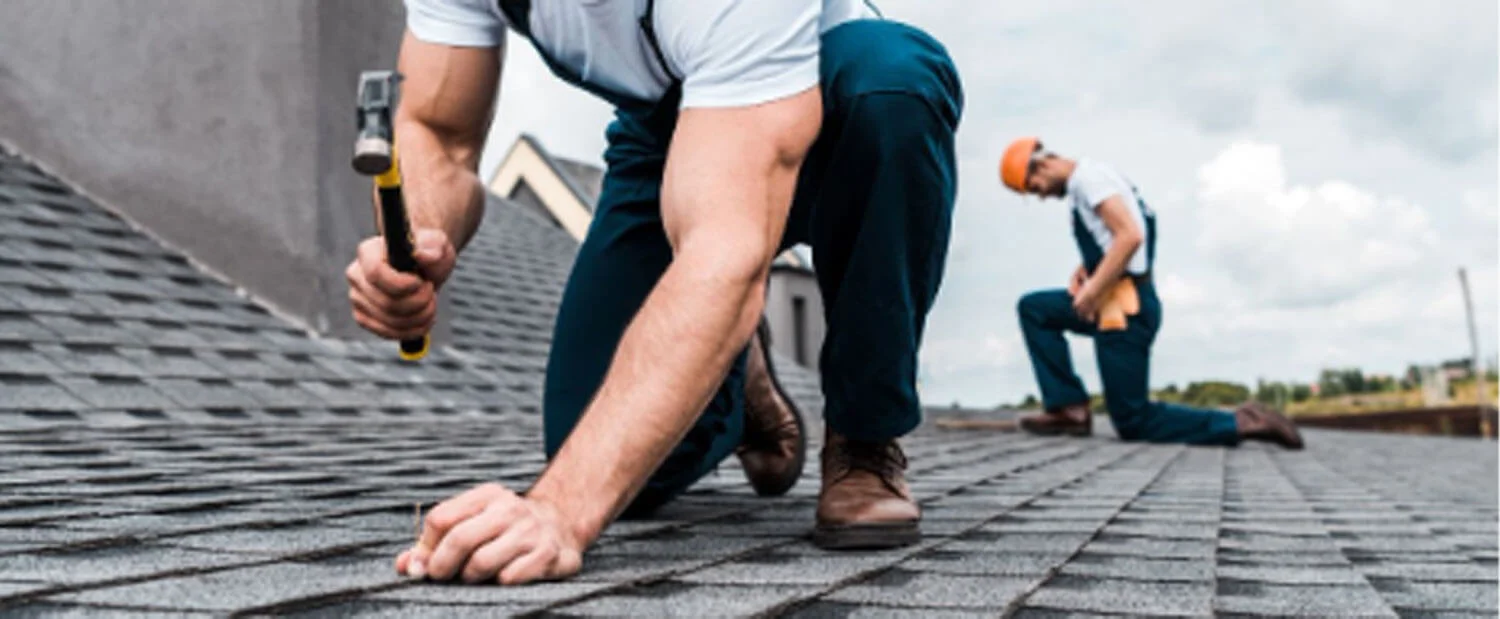
You don't need to climb on the roof to get a reasonable read on its condition. From the ground and from inside your ceiling space, look for these warning signs:
- Moss and lichen growth: Biological growth retains moisture against the tile surface, accelerating deterioration and eventually lifting tiles.
- Crumbling or cracked ridge pointing: The mortar or pointing compound along the ridge capping is the first thing to fail. Cracked pointing lets water in at the highest point of the roof.
- Faded or peeling coating: If the colour has washed out unevenly or the surface looks chalky or bare in places, the protective coating has broken down.
- Pools of standing water: Anywhere water collects rather than drains points to a blocked or failed drainage pathway.
- Cracked, chipped or broken tiles: Even a single cracked tile can let significant water in during heavy rain. Multiple broken tiles indicate a roof under stress.
- Interior water stains or musty odours: Brown stains on ceiling plasterboard or an earthy smell from the roof cavity are reliable indicators that water is getting through somewhere.
If you spot any combination of these from the ground or inside your ceiling, it's time to book a professional inspection.
The Importance of Expert Assessment
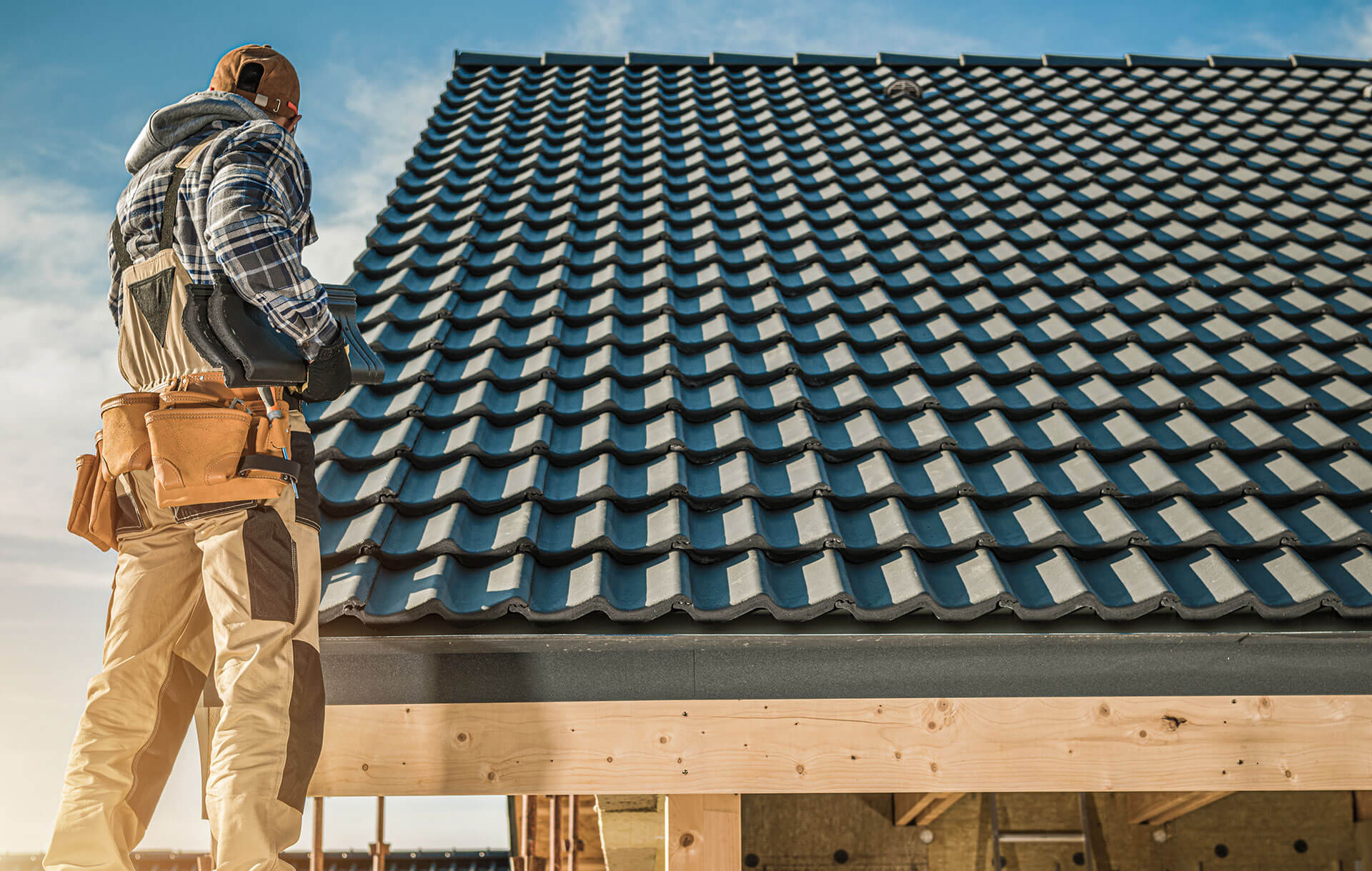
A DIY visual inspection gives you a starting point, but it doesn't replace a professional assessment. A licensed roofing contractor brings specialist equipment and trained eyes to identify issues that aren't visible from street level or through a ceiling hatch.
A proper assessment includes:
- Walking the entire roof surface to check tile condition, ridge capping integrity and flashing at all penetrations
- Checking valley iron and gutters for corrosion, blockages or failed seals
- Identifying moisture-damaged battens or sarking beneath tile surfaces
- Reviewing the roof structure from inside the roof cavity where accessible
- Providing a written report on condition and a clear recommendation — restore, repair or replace
An honest contractor will tell you if replacement is the better long-term option rather than recommending a costly restoration on a roof that won't last. That's the conversation worth having before committing to any work.
Trust the Experts: Central Coast Roofing
There's no universal answer to restore versus replace — the right decision depends on your specific roof, its age, its condition, and your long-term plans for the property. What there is, is a clear process for arriving at the right answer: a thorough inspection, an honest assessment, and a transparent cost comparison.
At Central Coast Roofing, we've been restoring, repairing and replacing roofs across Gosford, Terrigal, Wyong, and the wider Central Coast for years. We don't push products — we give you a straight read on your roof's condition and a fair written quote for whatever work is actually needed.
Get Expert Advice
Book a Free Roof Inspection Today
We'll inspect your roof, give you a straight assessment, and provide a written quote — no cost, no obligation. Most Central Coast homeowners save thousands by restoring rather than replacing.
Tags
Central Coast Roofing
Licensed roofing contractors serving Gosford, Wyong, Terrigal and all of the Central Coast NSW. Over a decade of residential and commercial roofing experience.