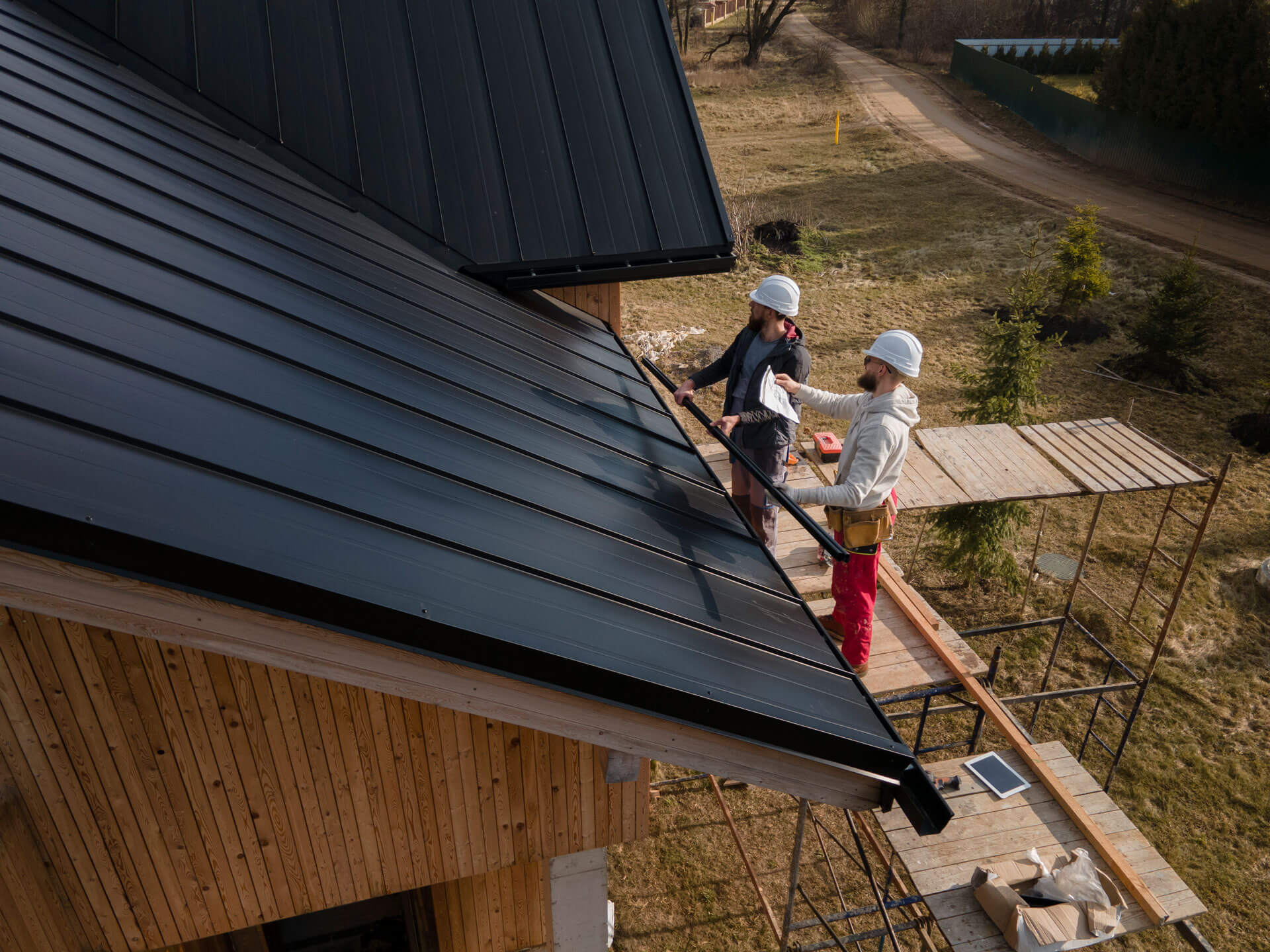
If you're installing metal roofing — or replacing a tiled roof with Colorbond — sarking is one of the most important decisions you'll make. Done right, it significantly improves thermal comfort, protects the roof structure from moisture, and reduces rain noise. Done poorly or skipped entirely, you'll notice every heavy downpour.
This guide explains what sarking is, why it matters specifically for the Central Coast climate, what types are available, and what a proper installation looks like.
What Is Sarking?
Sarking is a flexible membrane — typically foil-faced — installed directly under roof sheeting, between the roofing material and the ceiling below. In metal roofing applications, it sits between the Colorbond sheets and the roof battens or purlins.
It serves three distinct functions: thermal insulation (reflecting radiant heat), moisture control (acting as a vapour barrier or vapour-permeable membrane), and acoustic dampening (reducing the sound of rain hitting metal). Each of these matters on the Central Coast.
Is Sarking Mandatory?
Under the National Construction Code (NCC), sarking is required for metal roofing in most climate zones unless an equivalent insulation system is used. On the Central Coast (Climate Zone 5), it is effectively mandatory under new metal roof installations and strongly recommended for any replacement. Your contractor should include it as standard — if they don't, ask why.
The Three Benefits of Sarking
1. Thermal Performance
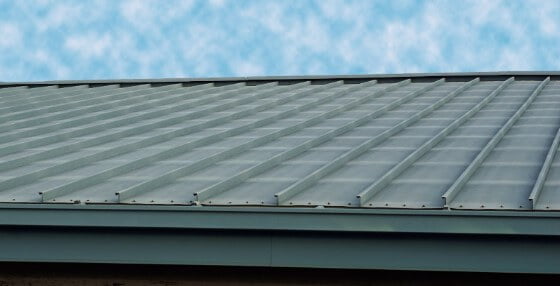
Metal roofing conducts heat efficiently — meaning a Colorbond roof in the Central Coast summer can radiate significant heat into the roof cavity and ceiling below. Reflective foil sarking bounces radiant heat back before it enters the roof space, reducing ceiling cavity temperatures substantially and cutting air conditioning load. This is the primary reason to specify sarking, and the performance difference is measurable.
2. Moisture Protection
The coastal humidity of the Central Coast means roof cavities are exposed to significant moisture movement year-round. Sarking acts as a vapour barrier or vapour-permeable membrane (depending on type), preventing condensation from forming on the underside of metal sheeting and running into the roof structure. Without it, moisture can accumulate in insulation batts and timber framing, causing corrosion and eventual rot.
3. Rain Noise Reduction
Metal roofs are inherently noisier than tiled roofs during heavy rain. Sarking — particularly the thicker blanket-type products — absorbs sound energy before it transmits through to the ceiling. On the Central Coast where summer storm events can deliver intense rainfall, this is a comfort consideration worth taking seriously.
Types of Sarking for Metal Roofing
-
Reflective Foil Sarking (Foil Laminate)
The most common type. A thin foil laminate that reflects radiant heat and acts as a vapour barrier when joins are properly sealed. Works best when installed with an air gap between the foil surface and the roof sheeting — the air gap is where the reflective performance occurs. Lightweight and easy to install, but provides less acoustic benefit than blanket products.
-
Combined Foil and Insulation Blanket
A thicker product combining a reflective foil facing with a glass wool or polyester insulation blanket. Provides better acoustic performance and additional R-value compared to foil-only products. More expensive but offers the most complete performance improvement, particularly for noise reduction. This is the recommended option for residential metal roofing on the Central Coast.
Choosing the Right Sarking for the Central Coast
The Central Coast sits in Climate Zone 5 — a warm temperate zone with high coastal humidity. This combination points toward specific sarking requirements:
| Consideration | Central Coast Recommendation |
|---|---|
| Primary function needed | Heat reflection + moisture control |
| Product type | Combined foil + insulation blanket for residential |
| Vapour permeability | Vapour-permeable preferred in coastal zones |
| Standard compliance | AS/NZS4859.1 (thermal performance) |
| Bushfire-prone areas (BAL 12.5+) | Specify BAL-rated sarking product |
Installation: What to Look For
Sarking performance is as much about installation quality as product quality. A good product poorly installed performs poorly. Key installation requirements to look for:
- Horizontal installation — sarking should be rolled out horizontally across the roof so water cascades down lap joints rather than running under them
- Minimum 150mm lap — all joins between sarking rolls must overlap by at least 150mm, with vertical joins taped for vapour continuity
- Correct sag — a small, consistent sag between rafters allows condensation to drain without pooling; too much sag allows contact with roof sheeting, too little defeats the air-gap reflectance
- Completion before roofing — sarking must be fully installed before metal sheeting goes down; retrofitting is possible but significantly harder and more expensive
- Compliance with AS/NZS4200.2 — the installation standard for reflective insulation; your contractor should be familiar with this
If you're planning a metal roofing installation or replacement and want to understand all the options — including Colorbond profiles and colour choices — read our comparison of Colorbond vs traditional roofing materials for the full picture.
Free Quote
Installing or Replacing a Metal Roof?
We specify and install the correct sarking for every metal roofing job — it's included in our written scope, not an afterthought. Call us for a free assessment and quote.
Tags
Central Coast Roofing
Licensed roofing contractors serving Gosford, Wyong, Terrigal and all of the Central Coast NSW. Over a decade of residential and commercial roofing experience.