Roof repairs have no perfect season — but some times of year are meaningfully better than others. Getting the timing right means faster scheduling, better application conditions, and ideally getting your roof sorted before the next event that would turn a minor repair into an expensive emergency.
On the Central Coast, where storm season runs roughly September through March and coastal humidity is constant year-round, timing your roof repairs around the weather calendar is practical advice — not just theory.
Why Timing Your Repairs Matters
Roofing products — sealants, adhesives, bedding compounds, and coatings — have temperature and humidity requirements. Applied outside these parameters, they cure poorly and fail early. Getting work done in the right conditions extends the life of any repair significantly.
Contractor availability is the other factor. Like any trade, roofing demand spikes after storm events and before winter — and there's only so much capacity. Booking ahead of the rush gets you better scheduling and more thorough work, because contractors who aren't scrambling between jobs do better work.
The Central Coast Rule of Thumb
If you're aware of a problem — cracked tiles, dodgy flashing, blocked valleys — book a repair before October. That's when spring storm activity picks up on the Central Coast, and an unaddressed vulnerability during a 60mm rainfall event goes from a repair to a claim.
Season-by-Season Guide for the Central Coast
Autumn (March–May) — Best Overall Window
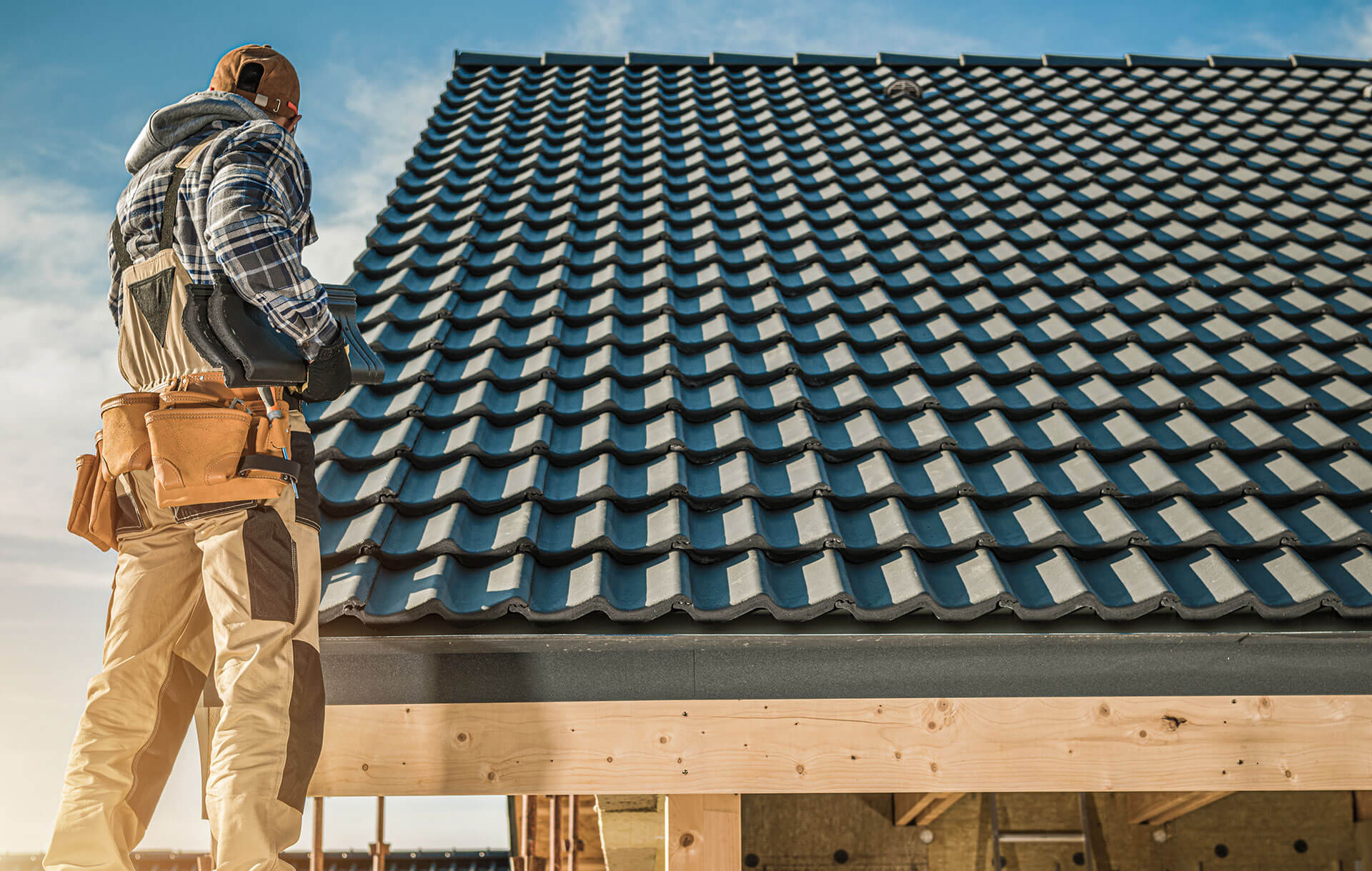
Autumn is the best season for scheduled roof repairs and roof restorations on the Central Coast. Temperatures sit in the 18–25°C range, humidity is moderate, and rainfall is typically lower than spring or summer storm events. Roofing products cure correctly, and there's no summer heat stress for workers.
From a planning perspective, autumn repairs also set you up for winter. Getting your roof in good shape before June means you're not dealing with emergency calls during the wettest months. Demand from contractors is typically lower in April and May than at the start and end of year — so you get better access to good tradespeople.
Spring (September–November) — Good Conditions, High Demand
Spring offers good repair conditions — mild temperatures, manageable humidity, and adequate daylight hours. The problem is everyone else is thinking the same thing. Contractor books fill quickly in September and October, and post-storm emergency work competes with scheduled bookings.
If you're targeting spring, book in July or August. Don't wait until late September when contractor availability has dried up and lead times stretch to 6–8 weeks. Spring on the Central Coast also brings the first significant storm events of the year — don't leave known vulnerabilities unaddressed going into October.
Summer (December–February) — Viable, With Caveats
Summer is workable but has constraints. The longer daylight hours are useful for larger jobs, and warm temperatures activate adhesives and sealants effectively. The downsides: extreme heat makes roof work physically demanding, reducing productivity and increasing risk for workers. Some coatings flash-dry too quickly in 35°C+ conditions, impacting adhesion.
Summer also brings the peak of storm season on the Central Coast, with convective thunderstorms and coastal low systems producing the year's heaviest rainfall events. Emergency repairs compete with scheduled work throughout the season. Repairs scheduled in December or January should be prioritised for early morning starts.
Winter (June–August) — Off-Peak Availability, Minor Limitations
Winter is the quietest time for roofing on the Central Coast. The Central Coast's mild climate means it rarely drops below 10°C overnight, and sustained frost is almost unknown — so the temperature limitations that affect roof repairs in colder climates don't apply here. Application conditions are generally fine for most repair types through winter.
The main constraint is rain. June through August brings the Central Coast's most sustained rainfall, and many roof repairs need dry conditions — not just for product application, but to safely identify leak sources and work on wet surfaces at height. Short jobs can be squeezed between weather windows; larger restoration work is better postponed to autumn.
The practical upside: contractor availability is best in winter. If your job is straightforward, booking in June or July often means faster scheduling and in some cases better pricing.
The Real Lesson: Don't Wait for "Perfect" Timing
Homeowners often delay repairs because they're waiting for a convenient window — a dry spell, a less busy period, a time when it feels less expensive. This logic has a cost. Roof damage doesn't pause while you wait for the right season.
A cracked tile lets in water during every rain event until it's replaced. Failing flashing around a skylight or chimney causes cumulative moisture damage to ceiling insulation and plasterboard with each rainfall. By the time a homeowner notices the problem — interior staining, musty smells, a visible wet patch — the repair scope is always larger than it would have been at first detection.
If you're seeing any of the common signs of roof deterioration, or if your fascia boards or guttering are showing wear, book an inspection now. The cost of a timely repair is reliably lower than the cost of a delayed one.
| Season | Conditions | Verdict |
|---|---|---|
| Autumn (Mar–May) | Mild, moderate humidity, lower demand | Best window |
| Spring (Sep–Nov) | Good conditions, high demand — book early | Good — plan ahead |
| Summer (Dec–Feb) | Heat stress, storm season, mixed availability | Viable — early starts |
| Winter (Jun–Aug) | Best availability, rain delays possible | Good for small jobs |
Don't Wait
Book Your Roof Inspection Today
We inspect, advise and quote at no charge. If there's a problem, we'll tell you exactly what it is and what fixing it costs — before the next storm does the deciding for you.
Tags
Central Coast Roofing
Licensed roofing contractors serving Gosford, Wyong, Terrigal and all of the Central Coast NSW. Over a decade of residential and commercial roofing experience.