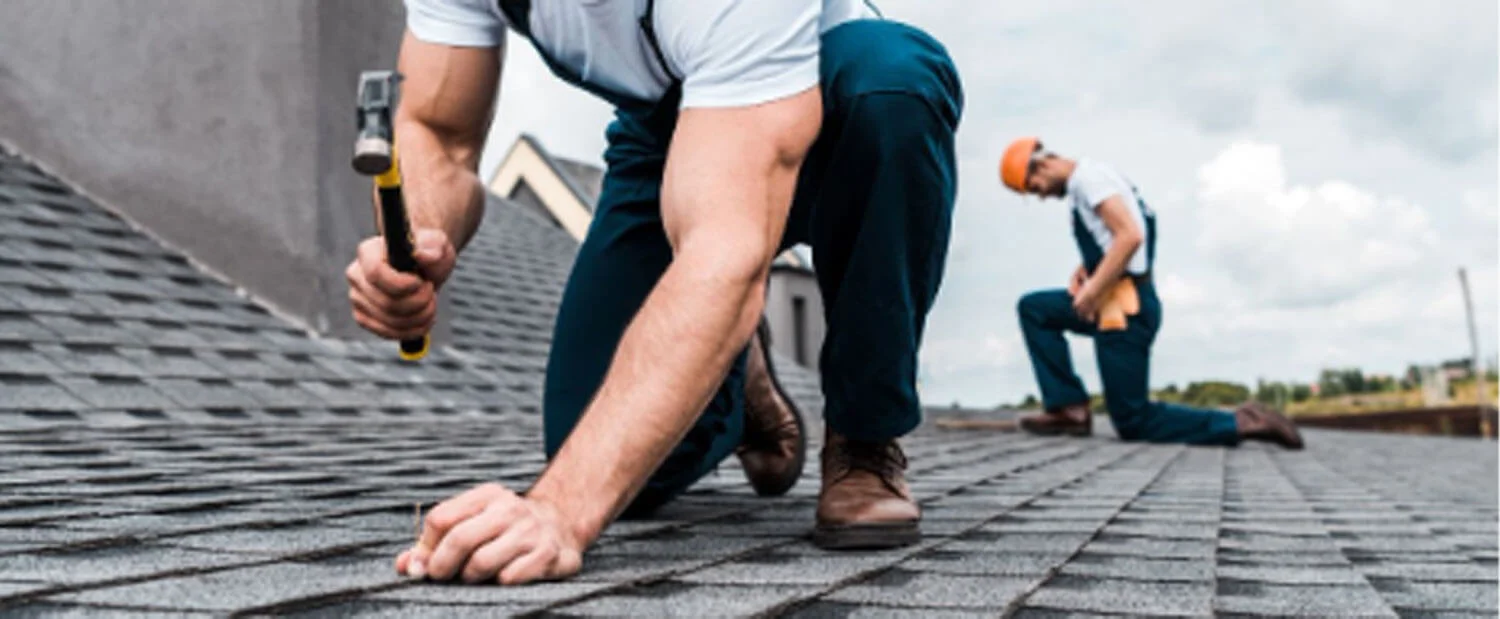
Most homeowners focus on the tiles and never think twice about the long boards running along the edge of the roofline. But fascia boards are doing critical work — and when they fail, the problems cascade fast: water damage, rotting timber, failing gutters, and eventually structural issues that cost far more to fix than the original repair.
This guide covers what fascia boards are, why they matter, how to spot damage early, and what proper fascia repair involves — so you know what you're looking at and what to ask your contractor.
What Are Fascia Boards?
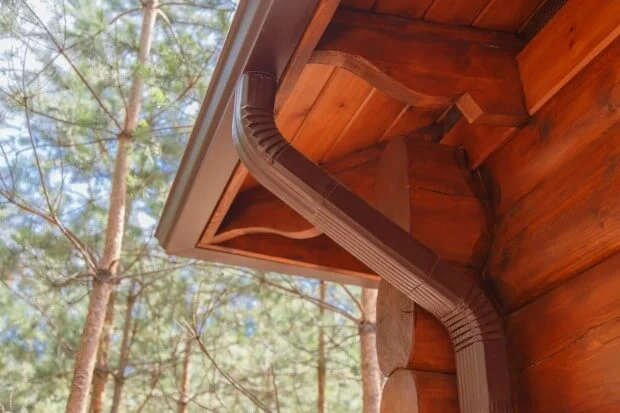
Fascia boards are the long, flat boards fixed vertically at the lowest edge of the roof — the point where the roof meets the outer walls. They run along the full perimeter of the roofline, connecting to the ends of the roof rafters or trusses.
They're typically made from timber, aluminium, vinyl, or composite materials depending on the age of the home and what the original builder specified. Timber is by far the most common in Central Coast properties, particularly homes built before 2000.
Why Fascia Boards Matter
Fascia boards serve three distinct functions — and all three matter:
- Moisture protection: The roofline edge is one of the most vulnerable points for water intrusion. Fascia boards seal the gap between the roof structure and the outer wall, preventing rainwater from being driven back into the roof cavity during storms. Without them, water follows the rafters directly into your ceiling.
- Gutter mounting surface: Your gutters attach to the fascia boards. If the fascia is rotten or bowing, the gutters pull away from the roofline — leaving gaps where water overflows directly against your foundation and walls rather than draining away. This is one of the most common causes of unexplained water damage inside homes on the Central Coast.
- Structural finish: Beyond function, fascia boards provide the clean finished edge that defines the roofline. They protect the exposed ends of rafters from UV degradation and physical weathering, extending the life of the structural timber behind them.
Signs of Fascia Damage to Watch For
Most fascia damage is visible from ground level if you know where to look. Walk around your home and check the roofline edge — specifically the boards just behind and below your gutters. Look for:
- Rotting or soft timber: Timber fascia that has absorbed moisture becomes soft and spongy. You may see discolouration, crumbling edges, or the board sagging between fix points.
- Peeling or bubbling paint: Paint failure on fascia boards almost always means moisture is getting in from behind — either from a failed gutter seal or from water wicking back up under the roofline.
- Visible cracks or holes: Splits running along the grain of timber fascia let water in with every rain event. Even small cracks will worsen quickly once moisture gets a foothold.
- Gutters pulling away from the roofline: If there's a visible gap between the back of your gutter and the fascia, the board has either rotted away behind the gutter mounting bracket or bowed outward.
- Claw marks or insect damage: Timber fascia is a target for possums, birds, and wood-boring insects. Any entry point that allows moisture in will accelerate rot dramatically in our coastal humid climate.
- Stains on exterior walls below the roofline: Brownish streaking on render or cladding directly below the guttering line usually means water is overflowing or running behind the gutter — which points to a compromised fascia behind it.
Central Coast Note
Coastal humidity and salt air accelerate timber decay significantly compared to inland areas. Fascia boards within a few kilometres of the ocean or estuaries typically need inspection every 3–5 years, not every decade.
How Fascia Board Repairs Work
Fascia repair is not a DIY job in most cases — working at roofline height requires scaffolding or proper elevated work platforms, and the repair has to integrate with your guttering system correctly. A poor repair that leaves the gutter mounting compromised will cause the same problem all over again within a season.
A proper professional repair process follows these steps:
- 1 Assessment: The contractor inspects the full run of fascia — not just the section that looks damaged. Rot spreads, and visible damage is rarely the full extent of the problem. Gutters are detached temporarily to expose the full board surface.
- 2 Remove damaged sections: Rotten or structurally compromised boards are cut back to sound timber. Where rot has reached the rafter ends behind the fascia, those need treatment or replacement too before the new board goes on.
- 3 Replace with new boards: New fascia boards are fixed with appropriate external-grade fasteners — stainless or hot-dipped galvanised to resist corrosion. The material choice (treated pine, hardwood, aluminium or PVC) should be matched to your existing roofline and exposure conditions.
- 4 Seal all joints: Every join, end cut, and interface with the roofline is sealed with exterior-grade caulk. This is the step that separates a lasting repair from one that fails again within 12 months.
- 5 Paint and finish: New boards are primed and painted to match the existing roofline. Skipping this step leaves raw timber exposed to UV and moisture immediately.
Fascia Boards and Your Gutters: An Inseparable System
Fascia and gutters function as a single drainage system — and they fail together. If your fascia boards have deteriorated, your gutters are almost certainly compromised too: misaligned fall, pulling away at joints, or sagging between brackets because the mounting surface has gone soft.
Any quality fascia repair should include a full inspection of the guttering as part of the scope. Gutters are remounted, re-levelled for correct fall, and resealed at all joints during the same job. This is the correct approach — not two separate callouts.
Similarly, if you're noticing fascia damage at the same time as broader roofline wear — crumbling ridge pointing, cracked tiles, or biological growth — it may be worth considering whether a full roof restoration addresses everything at once. Read our guide on key signs your roof needs restoration to understand the full picture.
When to Call a Professional
Call a licensed roofing contractor if you notice any of the following:
- Gutters pulling away from the roofline or sitting noticeably lower than when installed
- Visible rot, holes, or bowing in any section of your fascia boards
- Paint peeling or bubbling on the fascia, especially on north-facing elevations
- Water stains appearing on ceilings or walls that weren't there before
- Your home is more than 15 years old and the fascia has never been inspected
Don't wait for the gutter to fall off the wall. By that point the rot behind it has often spread to the rafter ends — which turns a straightforward board replacement into a structural repair. Early action on roof repairs is always cheaper than late action.
Free Inspection
Concerned About Your Fascia Boards?
We inspect fascia, gutters and the full roofline — at no cost, no obligation. Most issues are straightforward to fix when caught early. Call us or request a free quote online.
Tags
Central Coast Roofing
Licensed roofing contractors serving Gosford, Wyong, Terrigal and all of the Central Coast NSW. Over a decade of residential and commercial roofing experience.