The roofing material you choose will sit on your home for 30 to 70 years. It determines how much maintenance you'll spend, how the home performs thermally, how it handles the Central Coast's coastal salt air and storm season, and whether it meets your bushfire risk requirements. Getting it right is worth the research.
This guide covers every major roofing material used in Australian residential construction — Colorbond steel, concrete tiles, terracotta, and slate — with honest comparisons across cost, lifespan, maintenance, weight, and coastal performance.
What Roofing Materials Are Used in Australia?
Australian residential roofing is split primarily between steel (dominated by Colorbond) and clay or concrete tiles. Unlike North American markets where asphalt shingles dominate, these materials have a decades-long track record in Australian conditions and each has genuine advantages depending on the property and situation.
The Central Coast's existing housing stock — much of it built between the 1970s and 1990s — is predominantly concrete and terracotta tile. Newer construction and re-roofing projects skew strongly towards Colorbond steel. Understanding each material's strengths and limitations is the starting point for any roof replacement decision.
Colorbond Steel
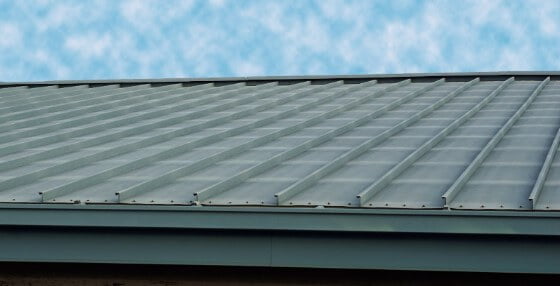
Colorbond is a high-strength steel substrate coated with a zinc-aluminium alloy for corrosion resistance and finished with a baked-on paint system. It's Australia's most widely installed roofing material for new construction and has an established 40+ year performance record in coastal environments specifically.
At 4–7 kg/m², Colorbond imposes a fraction of the structural load of tiles, making it suitable for a wider range of existing structures. It is non-combustible — the highest fire resistance available — and its reflective performance in lighter colours (particularly the Coolmax® range) measurably reduces ceiling cavity temperatures during summer. For detailed options, see our metal roofing service page.
Profiles Available
Colorbond comes in several profiles: corrugated (traditional and versatile), CUSTOM ORB® (deeper profile for greater spanning), Trimdek® (flat face, modern aesthetic), and Spandek® (deep spanning for larger structures). Profile choice affects appearance and water-shedding performance on low-pitch roofs.
Concrete Tiles
Concrete tiles are the most common roofing material in the existing Central Coast housing stock. They provide thermal mass (which moderates temperature swings in the ceiling cavity), good acoustic performance, and a well-understood maintenance profile across a wide range of profiles and colour options.
The main considerations are weight (40–50 kg/m²) and maintenance requirements. Concrete tiles require periodic re-bedding and re-pointing of ridge caps, cleaning to remove moss and lichen, and eventual recoating. The tiles themselves are durable — the system maintenance determines how long the roof performs effectively. A 30–50 year lifespan is achievable with proper upkeep.
Terracotta and Clay Tiles
Terracotta is the premium tile option — fired clay with a natural finish that doesn't fade or bleach over time. The colour is baked into the material, not a surface coating. A well-maintained terracotta roof can last over 100 years, making it a genuine once-in-a-generation investment on the right property.
Like concrete tiles, the system — valley iron, flashings, ridge mortar, and gutters — requires maintenance over time even when the tiles themselves remain pristine. Material cost is higher ($80–$120/m² vs $40–$60/m²), and not all contractors have specific terracotta installation experience — which matters for quality of outcome.
Slate
Slate is natural stone — the most durable roofing material available. A properly installed slate roof can last 75–150+ years. It's fire-resistant, non-combustible, and requires minimal tile maintenance (though flashings, valleys, and underlay still need periodic attention).
The trade-offs are cost ($200–$500/m²) and specialist installation requirements. On the Central Coast, slate is found primarily on heritage properties in older suburbs and is rarely specified for new construction outside premium projects where cost is secondary to longevity.
Material Comparison at a Glance
| Material | Cost/m² | Lifespan | Weight/m² | Maintenance | Coastal |
|---|---|---|---|---|---|
| Colorbond Steel | $50–$70 | 40–70 yrs | 4–7 kg | Very low | Excellent |
| Concrete Tiles | $40–$60 | 30–50 yrs | 40–50 kg | Moderate | Good |
| Terracotta Tiles | $80–$120 | 50–100+ yrs | 40–50 kg | Moderate–High | Good |
| Slate | $200–$500 | 75–150+ yrs | 30–60 kg | Low (tile) | Good |
How to Choose: Key Factors
-
Budget
Concrete tiles have the lowest material cost, but Colorbond's faster installation and near-zero maintenance mean lifecycle cost is often competitive or lower. Terracotta and slate are premium investments with long payback windows.
-
Existing roof structure
Your existing structure was designed for a specific load. Converting from heavy tiles to Colorbond is straightforward. Adding heavier material to an existing structure requires a structural assessment first.
-
Bushfire risk
Properties near bushland — including areas adjacent to Brisbane Water National Park or the Watagan Mountains — should prioritise Colorbond's non-combustible performance under Bushfire Attack Level (BAL) requirements.
-
Aesthetics and council requirements
Heritage-listed properties or council zones with design guidelines may mandate specific materials or colours. Check local planning requirements before specifying any material for replacement.
-
Long-term plans
If you plan to hold the property for decades, a longer-lifespan material (terracotta, Colorbond) may represent better value than concrete tiles that could require replacing again within the same ownership period.
For a full cost breakdown across material options, see our guide to roof replacement costs on the Central Coast. For a detailed head-to-head on Colorbond vs tile specifically, read Colorbond vs traditional roofing.
Free Assessment
Not Sure Which Material Is Right for Your Home?
We'll inspect your current roof, assess the structure, and give you an honest recommendation with a full written quote for whichever option best suits your home and budget.
Tags
Central Coast Roofing
Licensed roofing contractors serving Gosford, Wyong, Terrigal and all of the Central Coast NSW. Over a decade of residential and commercial roofing experience.