Without any insulation or reflective treatment, a dark tile or metal roof on a Central Coast summer day can drive ceiling cavity temperatures past 70°C. That heat radiates downward through your ceiling, forces your air conditioning to work harder, and drives up your energy bill — every day of summer. Heat reflective roof coatings address this directly, and when properly applied, deliver measurable results.
This guide explains the science behind reflective coatings, what realistic savings look like, and what to look for when choosing a product.
How Heat Reflective Roof Paint Works
Standard roof coatings — and darker-coloured roofing materials generally — absorb solar radiation and convert it to heat, which raises the surface temperature of the roof and the air temperature in the cavity beneath it. Reflective coatings work by reflecting a higher proportion of the solar spectrum away from the roof surface before it converts to heat.
Two metrics define a coating's thermal performance:
-
Total Solar Reflectance (TSR)
The percentage of incoming solar radiation the coating reflects away from the surface. A TSR of 0.80 means 80% of solar energy is reflected. Higher TSR = less heat absorbed. Standard roof coatings typically rate 0.10–0.25; quality reflective coatings achieve 0.65–0.85.
-
Thermal Emittance
The coating's ability to release absorbed heat. High emittance means heat that is absorbed is radiated back out rather than conducted inward. Coatings with both high TSR and high emittance deliver the best combined performance.
What Are the Realistic Energy Savings?
Published figures from product manufacturers often cite reductions in roof surface temperature of 15–30°C and interior temperature reductions of 5–10°C under controlled conditions. Real-world performance varies based on the roof material, colour, insulation beneath, and the specific product applied.
Australian Product Context
Products like NXT Cool Zone by Nutech are specifically formulated for Australian conditions and are available in dark colour ranges while maintaining high TSR performance — addressing the common objection that cool roof coatings require a light-coloured roof. This is a meaningful advance for homeowners who want dark aesthetics without the thermal penalty.
For a Central Coast home with a dark tile roof and no ceiling insulation, a quality reflective coating applied as part of a full roof restoration can measurably reduce summer cooling load. Paired with reflective sarking and adequate ceiling insulation, the thermal improvement is substantial. Savings of 15–25% on summer cooling costs are realistic in homes with poor existing insulation and a dark roof.
Benefits Beyond Energy Savings
- Reduced thermal expansion and contraction: Lower roof surface temperatures mean less daily thermal cycling, which reduces stress on tiles, fasteners, and mortar joints — extending roof lifespan
- UV protection: Quality reflective coatings include UV stabilisers that protect the underlying tile surface from UV degradation, which fades and weakens surface coatings over time
- Waterproofing: Elastomeric reflective coatings also serve as waterproofing membranes — combining thermal performance with moisture protection in a single application
- Reduced urban heat island contribution: Highly reflective roofs reduce the localised heat island effect in denser residential areas
Compatible Roof Types
| Roof Type | Recommended Coating | Notes |
|---|---|---|
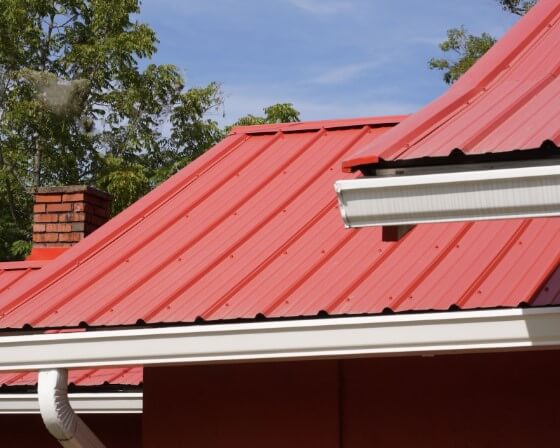
| Metal (Colorbond/steel) | Acrylic elastomeric | Excellent TSR performance |
| Concrete tiles | Acrylic water-based | Most common application |
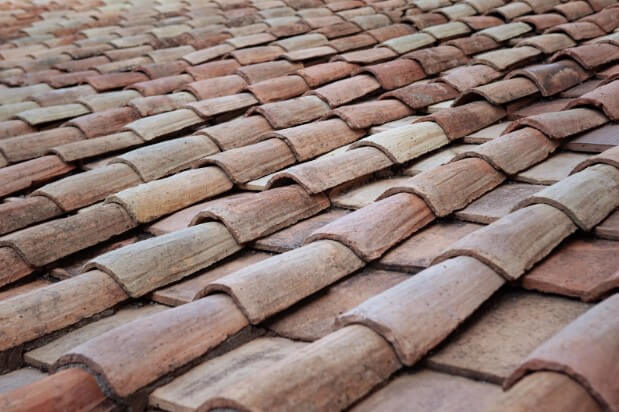
| Terracotta tiles | Penetrating sealer + acrylic top coat | Requires careful surface prep |
| Flat/low-slope | Polyurethane or silicone | Ponding water resistance required |
What to Look For When Choosing a Reflective Coating
- TSR rating of 0.65 or higher — products below this threshold deliver limited thermal benefit
- Elastomeric formulation — flexibility prevents cracking during thermal expansion and contraction
- Australian Standards compliance — look for products meeting AS/NZS standards for roof coatings
- Manufacturer warranty of 10+ years — shorter warranties indicate lower-confidence products
- Professional application specified — many coatings require specific application conditions (temperature, humidity, surface prep) that DIY approaches cannot reliably meet
For full guidance on coating selection across all roof types and conditions, see our guide to choosing the right roof coating. For the full picture on eco-friendly and energy-efficient roofing options, read about eco-friendly roof restoration.
Reduce Your Cooling Costs
Ask About Reflective Coating Options for Your Roof
We'll assess your existing roof, recommend the right reflective coating product, and provide a written quote that includes prep, application, and warranty details.
Tags
Central Coast Roofing
Licensed roofing contractors serving Gosford, Wyong, Terrigal and all of the Central Coast NSW. Over a decade of residential and commercial roofing experience.