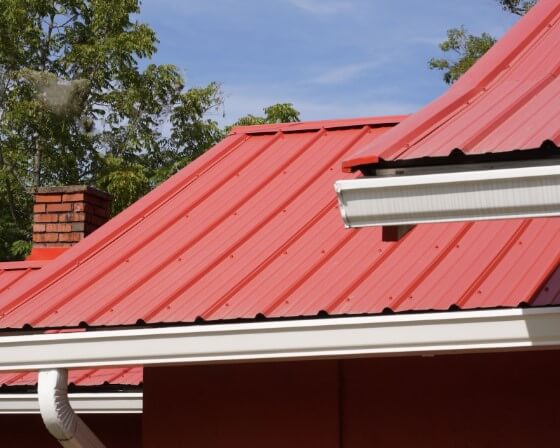
Gutters are the unglamorous part of roofing — until they fail. When they do, the consequences aren't limited to overflow: water pools against the foundation, saturates fascia boards, and can enter wall cavities or basements. On the Central Coast, where summer storm cells can deliver 50–80mm per hour, a failed gutter system under peak load causes damage quickly.
This guide covers why gutters fail, how to recognise the signs of a problem, and what the gutter repair process involves — so you can act before a minor issue becomes a structural problem.
Why Gutters Fail
The Central Coast Storm Season
October through March brings the highest rainfall intensity to the Central Coast. Summer convective storms can drop 50–80mm within an hour. A gutter system that handles normal rainfall can overflow catastrophically when peak storm flow exceeds its capacity — making correct sizing and clear fall critical, not optional.
- 1 Debris blockages: Leaves, twigs, and organic debris accumulate and create dams that prevent water flow. Blocked gutters overflow and can cause water to back up under roofing material. Trees directly above or adjacent to the roofline significantly accelerate blockage rates.
- 2 Corrosion and leaks: Galvanised steel gutters oxidise over time, particularly at joints and low points where water pools. Small rust holes expand and eventually cause section failure. In coastal salt air environments, corrosion is accelerated — galvanised gutters near the coast have a shorter service life than inland equivalents.
- 3 Sagging sections: Gutter brackets fail or loosen over time, causing sections to sag. Sagged sections hold water rather than directing it to downpipes, accelerating corrosion and creating mosquito breeding habitat. The weight of accumulated water and debris in a sagged section stresses surrounding brackets further.
- 4 Incorrect fall (pitch): Gutters must fall toward downpipes at a minimum rate — typically 1:500. Gutters installed without adequate fall, or that have settled, hold standing water after rain. This accelerates corrosion, promotes moss growth, and means debris accumulates instead of flushing to the downpipe.
- 5 Storm and impact damage: Hail, falling branches, and ladder contact can dent, crack, or displace gutter sections. High winds can unseat sections entirely. The Central Coast's storm season produces enough weather events that physical damage is a regular maintenance issue on older or poorly secured systems.
Signs Your Gutters Need Attention

- Water overflowing the gutter edge during or after rain — not just at the downpipe
- Water staining or paint damage on the fascia or exterior walls beneath the gutter line
- Visible sagging sections or gutters pulling away from the fascia
- Standing water visible in gutters after dry weather (indicates blockage or inadequate fall)
- Rust staining running down from the gutter onto the wall or cladding below
- Moss or plant growth in the gutter (indicates persistent standing water)
- Downpipes discharging inadequate flow during heavy rain (indicates upstream blockage)
Repair or Replace? How to Decide
The decision depends on the extent and type of damage, and the overall age and material of the existing system.
-
Repair is appropriate when:
- Blockages with no structural damage
- Isolated leaking joints that can be re-sealed
- One or two corroded sections in an otherwise sound system
- Bracket failures causing localised sagging
-
Replacement is appropriate when:
- Widespread corrosion throughout the system
- Gutters are over 20–25 years old and showing multiple failure points
- The profile or size is inadequate for the roof catchment area
- Upgrading from galvanised steel to Colorbond or aluminium for coastal durability
The Gutter Repair Process
- 1 Assessment: Visual inspection of the full gutter run from ground level and ladder — checking for sagging, corrosion, joint failures, and blocked downpipes.
- 2 Clearing and cleaning: All debris removed, downpipes flushed clear, standing water cleared. This reveals the true condition of the gutter surface beneath the debris.
- 3 Sealing leaks: Leaking joints re-sealed with appropriate gutter sealant. Small rust holes patched or the section flagged for replacement if corrosion is extensive.
- 4 Section replacement: Damaged or extensively corroded sections cut out and replaced with matching profile material. Joints sealed to manufacturer specification.
- 5 Realignment: Sagged sections re-pitched to restore correct fall. Brackets tightened or replaced. All fixings checked for corrosion.
- 6 Flow testing: Water run through the system to verify flow, check for remaining leaks, and confirm downpipe discharge is unobstructed.
Gutter Maintenance Schedule
| Task | Frequency | DIY or Pro |
|---|---|---|
| Clear debris from gutters | 2× per year (autumn + spring) | DIY (single storey) |
| Flush downpipes | 2× per year | DIY |
| Inspect for leaks and corrosion | Annually | DIY / Pro |
| Re-seal joints and check brackets | As needed | Pro recommended |
| Full system inspection | Every 2–3 years | Pro |
Gutter maintenance integrates naturally with broader proactive roof maintenance scheduling. Having a professional inspect both gutters and the roof at the same time covers both systems efficiently.
Gutter Repairs and Replacement
Issues with Your Gutters? We'll Fix It Right.
We repair, replace, and maintain gutters across the Central Coast — from single-section fixes to complete system upgrades. Free written quote, no obligation.
Tags
Central Coast Roofing
Licensed roofing contractors serving Gosford, Wyong, Terrigal and all of the Central Coast NSW. Over a decade of residential and commercial roofing experience.